Enhancing Inventory Management with AI-Driven Predictive Analytic

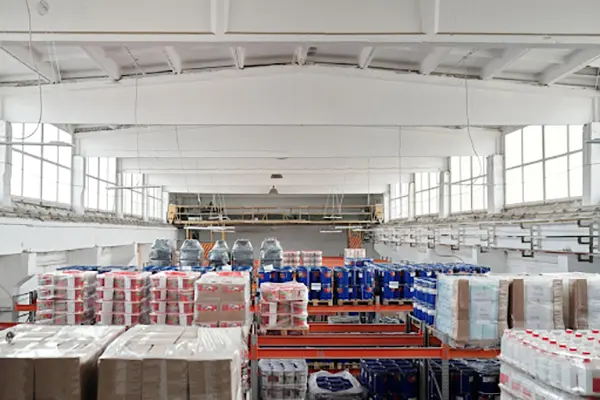
Are you fed up with the logged-up inventories at the end of the production year and figuring out a way to avoid any such waste? Well, look no more because the solution is here.
The IHL Group even remarked that retailers lose $471 billion annually due to overstocking, with average inventory carrying costs reaching up to 41% of a product’s value.
To avoid such extra costs and meet the business agendas of profit, AI-driven predictive analytics comes into the picture, which not only ensures efficiency with prior analysis but also ensures a demand-driven production.
Read further to know how…
Key Takeaways
- Predictive analysis for projecting demands and production
- Analysing the reasons for the failure of predictive analysis
- AI and its role in changing the dynamics of inventory management
- Learning the AI software to enhance business efficiency
- Predictions for AI in inventory management
Predictive Analytics Definition
AI for inventory management uses machine learning and advanced algorithms to forecast your demand, lead times, and order quantities.
Instead of relying on instinct and spreadsheets…
Predictive inventory technology crunches all your historical sales data, seasonal trends, market changes, weather, events, and more to anticipate future demand levels.
It’s like having a magic crystal ball in your inventory’s future. Except it’s not magic. Artificial intelligence powers it using data and algorithms that learn over time.
Why Inventory Optimization Is Failing Today
Okay, but let’s be realistic here…
Most companies are still practicing inventory management the old-fashioned way.
- Guessing.
- Pulling stinky penises out of their backside.
- And crossing their fingers.
**This is extremely expensive. **
The average business keeps around 30% more stock than it needs on average. That’s millions of dollars of revenue tied up in products that aren’t selling.
However, when you run out of stock, you lose sales and damage your customer relationships as buyers go to the competition.
Methods that worked 20 years ago don’t work in today’s fast-paced marketplace. Customer preferences shift overnight. Supply chain disruptions are unpredictable. Trends pop up out of thin air.
What you need is insight that can keep up with the speed of your industry.
How AI Changes The Game For Inventory Management
AI predictive analytics is the game-changer that will transform inventory from a money pit to your greatest asset.
Here’s how predictive inventory analytics works:
Using AI robots monitor inventory levels and outside influences around the clock. They learn sales patterns, predict upcoming trends using massive data sets, and update inventory predictions on the fly.
Say it’s about to be 100 degrees in Phoenix next week. AI predicts that sodas will sell through rapidly and increases stock levels automatically. If your competitor posts a Facebook ad about a sale… it knows about that too.
Predict Future Demand
Do you want to know what your customers will purchase next week?
AI can tell you with spooky precision.
Using algorithms that factor in historic sales data and current market influences, AI provides extremely accurate demand planning forecasts. Amazon saw a 35% decrease in stockouts with predictive inventory technology. That equals more sales and happier customers.
Automated Reordering Recommendations
Here’s a cool secret most people don’t know…
Not only can AI predict future demand. It automatically suggests when you should reorder products. No more manual inventory checks. No more panicked orders that come in too late. No more out-of-stock best sellers.
AI software tracks your inventory 24/7 and notifies you when it’s time to reorder. It knows the lead times from your suppliers and suggests placing new orders so they arrive just in time to replenish shelves.
Cool right?
Actually Reduce Inventory Related Expenses
Another huge plus of using AI for inventory is decreasing inventory-related costs.
Think about how much money you spend because your inventory isn’t optimized:
- Storage costs
- Lost sales from stockouts
- Markdowns to unload old products
- Overnight shipping costs for rush orders
Predictive inventory technology reduces waste in all these areas by helping you maintain optimal stock levels.
Companies that have adopted AI for inventory have seen inventory costs drop by 10-15% on average. That’s a huge chunk of change for any company with millions of dollars of inventory.
Artificial Intelligence Growth Rate
Right now the AI inventory market is booming.
Projected to grow from $7.38 Billion in 2024 to $27.23 Billion by 2029. These forecasts are predicting a compound annual growth rate of 31.8%.
Holy smokes!
Why is the market growing so rapidly?
Simple. Businesses have realized that old-school inventory management doesn’t stack up to AI-powered predictive analytics. And the businesses that jump on it first will dominate their competition, still using Excel.
But here’s the crazy part…
Only 23% of SMBs are currently using AI for inventory. But over 50% plan to invest in the next 2 years. If you start now, you could capture significant market share ahead of your competitors.
Actual Examples Of Companies Benefiting
Don’t just take our word for it. Here are some examples of companies benefiting from AI inventory right now.
Toyota reduced inventory costs by 12% and increased production efficiency by 10% after deploying an artificial intelligence system. In addition, they reduced inventory days of turnover by up to 20%.
How To Get Started With AI Inventory Software
You don’t need millions in the bank to start leveraging AI for inventory.
Thankfully, AI inventory technology has matured to a point where businesses of all sizes can benefit. Using cloud-based platforms can bring you the best results, such as :
- Real-time inventory tracking throughout your entire supply chain
- Demand prediction that adapts and learns from your specific data.
- Automatic replenishment guidelines based on sales predictions
- Seamlessly integrate with your current ERP or accounting software
- Understandable dashboard that explains the AI’s recommendations
One of the best parts about these new AI tools is that they don’t require you to overhaul your current operations.
They augment your existing workflow with AI enhancements. So you can easily integrate them into your business one step at a time.
Start with a single category of products. Analyze the results. Then expand to other areas.
Upcoming Predictions For AI In Inventory Management
Want to know what’s next for AI in inventory?
AI is only going to get better at predicting and maintaining optimal inventory levels. Integrating with IoT sensors will help you gain real-time inventory visibility from the warehouse all the way through delivery.
Computer vision will eliminate manual inventory counts by having cameras do it for you.
Some forward-thinking companies are even deploying AI agents that can independently execute stock transfers and place orders with suppliers if it deems it necessary.
The AI identifies the pattern, decides to take action, and automatically places the transfer order.
Wrap Up
Artificial intelligence-driven predictive analytics empowers you to forecast demand, automate replenishment, and optimize order quantities.
All of this means you keep more money in your pocket. And gain a huge competitive advantage over any competitor still stuck in the inventory management past.
Expect AI to continue growing throughout the next decade. The inventory technology is here. And now it is your turn to adopt it.
Ans: AI can play a significant role in inventory organization by enhancing efficiency, forecasting, and decision-making.
Ans: Predictive analytics in inventory management refers to using data, algorithms, and artificial intelligence to forecast future inventory needs.
Ans: There are three main types of predictive models: decision trees, regression, and neural networks.
Ans: Inventory data analytics refers to tracking metrics that gauge the movement and performance of physical products.