What Is Tax Exempt? Meaning, Benefits & How to Become Exempt

Taxes are an essential part of our financial system, but that doesn’t mean that all income you earn needs to be taxed, and that’s where understanding the concept of tax-exempt is crucial.
Tax-exempt is a powerful tool that significantly lowers your tax burden and helps you to keep more of your hard-earned money. You can use it to your advantage once you know how to become tax-exempt and the legalities.
In this guide, we have explained what tax-exempt means, how to become tax-exempt, types of tax exemptions, and exempted income under income tax laws. Read till the end to understand how tax exemptions work and how you can benefit from them legally, while also managing your cash flow management service to maintain financial stability
- What Does Exempt from Tax Withholding Mean?
- Who Qualifies for a Certificate of Tax Exemption?
- What are the Types of Tax Exemptions?
- How to Become Tax Exempt?
- Common Types of Exempted Income In Income Tax
- Benefits of Exempted Income In Income Tax
- Restrictions of Tax Exemption
- Tax Exempt Vs Tax Deductions Vs Tax Credit
- Wrapping Up!
- FAQs
What Does Exempt from Tax Withholding Mean?

When a person or entity is considered tax-exempt, it means the IRS or the state government has legally excluded certain income, activities, or organisations from taxation at the federal, state, or local level.
Tax exemption does not imply avoidance of paying taxes; rather, it is limited to certain classes. Like, the nonprofit school can be relieved of paying federal income tax but still be obliged to pay payroll tax on the employees, which could be tracked efficiently with bookkeeping services.
Other sources free from tax sources are scholarships, municipal bond interest, or disability benefits-money which is not taxed in any way by the federal government. The aim is to boost social welfare, combat financial pressures, and sustain investments that are in line with the government agenda.
Who Qualifies for a Certificate of Tax Exemption?
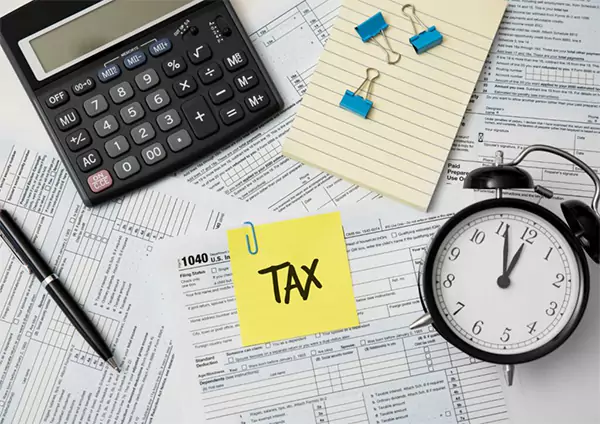
The eligibility for the certificate of tax exemption is based on government regulations and depends on the kind of taxpayers.
- Nonprofit Organisations: Nonprofits serving the interests of the people, including charities, educational establishments, and religious groups, may use 501(c)(3) or other exemption classifications. Such groups have the advantages of tax-free earnings, tax deductions on donations, and minimal filing requirements.
- Government Entities: Government departments and agencies are automatically exempt from federal taxes as they serve the people. For example, a library or municipal hospital that is run by the city is tax-exempt.
- Certain Individuals: People are exempt on personal grounds, depending on the circumstances in their lives or the category of income. Certain relief in terms of property may be granted to disabled veterans. The scholarships earned by the students are not taxed. Elderly people can be subject to lower rates of property tax.
- Tax-Exempt Income Classes: There are exemptions on some sources of income, no matter who they are transferred to, like death benefits of life insurance, health insurance payments by the member, and interest on municipal bonds. This makes sure that the useful monetary instruments are affordable and accessible.
What are the Types of Tax Exemptions?
Tax exemptions are of different categories, each of which is geared towards alleviating financial load and promoting good virtues such as savings, investments, education, or charity. Let’s discuss these types of tax exemptions here:
Income Tax Exemptions
These exemptions lower the amount of the income that the government can tax. Certain types of money could never be regarded as taxable income, which includes tuition scholarships, contributions towards tax-free retirement plans, foster care payments, or disability insurance benefits. This helps people to have money in their pockets.
Sales Tax Exemptions
Some products or customers are exempt from sales tax. For example, many states exempt grocery stores, prescription medicine, or medical equipment to make necessities affordable. When utilised in charitable programs, nonprofit organisations and regular people can purchase tax-free.
Property Tax Exemptions
Property tax exemptions lower the amount of taxable value of a home or building significantly. The homestead exemptions assist homeowners in paying less each year in taxes.
According to the law, senior citizens who have been disabled can be provided with a complete or partial exemption from property tax, and religious temples and churches usually have no property tax on the place of worship.
Tax-Exempt Organizations
Organisations that fall under section 501(c) of the IRS have exemptions. Such can be charities, clubs, and social service groups, among others. Strict rules are laid out that they need to follow, like not running any political campaigns, doing minimal lobbying, and retaining their operations for the benefit of the people to maintain the status quo.
Also Read: No Tax On Overtime: Rules and How It Will Impact Your Savings?
How to Become Tax Exempt?
The tax exemption status is given to a person, a nonprofit organisation, a business, or a property owner. Each of the categories has its rules, application process, and documentation requirements.
Some exemptions will automatically qualify, whereas others will need official sanction by the IRS or state government. A detailed breakdown on how to be tax-exempt for various taxpayers is written below:
For Individuals
When a person is filing their annual tax returns, they need to claim the tax exemptions. To do so:
- Determine the qualifying income, like scholarships, disability payments, and gifts.
- Include paperwork to support it, like award letters or medical statements.
- Report all exempt income for the proper accounting.
- Mention and take the applicable exemptions, credits, or deductions, as required.
This helps you not to pay taxes on the exempted classes and get some relaxation.
For Tax Exempt and Non-Profit Organisations
A tax-exempt entity or non-profit organisation needs to follow a more formal process and requires legal documentation. Here are the steps on how to go tax-exempt for these organisations:
- First, you need to register as a non-profit or tax-exempt entity under federal law.
- Submit your organisation’s work and motto on how it fosters a charitable mission.
- Now, file IRS Form 1023 or 1023-EZ and request 501(c)(3) tax-exempt status.
- After doing so, the IRS will confirm your approval.
That’s it, nonprofits need to file Form 990 every year to retain the status of tax-exempt. As per the law, these organisations need to operate transparently and meet compliance.
Suggested read: Form 8962 – Form Filling, Refunds & Mistakes to Avoid
How to get exempt from Sales Tax
Tax exemptions on property are generally handled by state or county offices, and individuals need to follow the steps written below:
- First, apply with ownership documents.
- After receiving the form, submit proof like a nonprofit certificate, senior citizen status, or disability documents.
That’s it, wait for the approval, and renew every financial year if required.
Common Types of Exempted Income In Income Tax
Tax-exempt income is the money that is not reported or included in the taxable income by the IRS or other state governments. Although it must be generally reported in your tax filing to provide the proper information on earnings, it is not taxed, and it can reduce tax liability. Being aware of these groups will help you take full advantage of tax savings within the law.
- Interest Earned on Government Bonds: The government issues municipal bonds as a savings instrument for people to invest in, and the interest earned on these bonds is usually tax-free.
- Fellowship Grants and Scholarships: Education-related funds required to support tuition, books, and supplies are tax-exempt.
- Health Insurance Benefits: Premiums that you pay for health insurance are not taxable. So you can invest in health insurance, get a contribution from your employer, and get dental and vision plans. Plus, the health reimbursement arrangements (HRAs) are also tax-exempt, and they lower the taxable income by a great deal.
- Withdrawals from Health Savings Account (HSA): Removals from an HSA to cover qualified medical expenses are not taxed at all. These contributions are deductible, the increase and interest are tax-free, and medical withdrawals are not counted as taxable income.
- Roth IRA: Withdrawals in Roth IRA are tax-free (both in contributions and earnings) in case you have reached the age and holding requirements (591/2 years old + 5-year rule).
Benefits of Exempted Income In Income Tax
Tax exemption is an extremely beneficial aspect for people, businesses, non-profits, and even the rest of the economy. It decreases the financial strain, fosters social good, and promotes smarter financial habits. The following are the most crucial advantages:
- Major Decreases in Taxation: Tax exemption has the main advantage of enabling individuals and organisations to avoid paying some taxes. This would keep more money in the hands of individuals and investors so that they can spend better.
- Promotes Social Goodwill and Charities: The tax exemptions are aimed at promoting what is good for society. The government facilitates the welfare of the community by offering charities, educational, and religious organisations exemptions without necessarily utilising the government coffers. For example, the charitable organisations that are 501(c)(3) have tax benefits that encourage more individuals to contribute to charitable causes.
- Favours Long-Term Investment: There are many tax-exempt financial products, such as city bonds and pension deposits or some insurance payments, that can make people rich without subjecting them to heavy income taxation. For example, the municipal bonds have tax-free interest, and thus, tax lien investing is a good option for long-term, low-risk investing.
- Reduces Financial Strain on Disadvantaged Populations: The elderly, the disabled, and veterans are usually given certain exemptions that enable them to control their costs and financial lives more easily.
Restrictions of Tax Exemption
Although tax exemptions are very beneficial, they are still associated with regulations, limitations, and other issues. It is because when taxpayers are aware of the limitations, it is possible to prevent errors and remain in compliance.
- Not Everything Qualifies: The tax exemptions are restricted to certain income, organisations, or circumstances. The majority of taxpayers are not qualified, so they have to pay taxes to the federal or state government on their income.
- Complicated Qualification Requirements: Applicants have to satisfy the demanding requirements of documentation and the IRS to obtain tax-exempt status, particularly for organisations.
- High Compliance and Reporting Requirement: Individuals and organisations are required to comply, even after gaining their tax exemption, by making proper reports, filing, and keeping records. Any breach or distrust can lead to fines.
- Violation can Risk Losing Status: A tax-exempt organisation can default on its exemption in case it permits itself to carry on illegal operations such as political campaigning, over-lobbying, or improper utilisation of the funds.
- The State and Federal Rules May Differ: There are exemptions that are accepted on the federal level but are not accepted by individual states, and this brings confusion and inconsistency.
Tax Exempt Vs Tax Deductions Vs Tax Credit
Well, all these three terms are often confused with one another. So we thought of providing a clear explanation of it. Understanding the differences between tax-exempt income, tax deductions, and tax credits is vital for smarter financial planning. Even though all three reduce the amount of taxes, their nature of work is entirely different.
- Tax Exempt: This implies that the income is free from tax and is declared as non-taxable income. For example, municipal bond interest or disability benefits.
- Tax Deductions: These are a certain type of deduction from your taxable income. The less the taxable income is, the less tax you will pay. The common deductions include business expenses, interest on education loans, and contributions to charities.
- Tax Credit: It is considered to be more effective than deductions, as it can significantly lower the total tax bills. When you have an amount of $2000 in taxes but have a tax credit of $1000, you only need to pay $1000.
Wrapping Up!
Tax exemption is one of the simplest methods of reducing the tax burden, protecting the eligible income of individuals, and supporting causes that benefit society.
Whether you are an individual, a non-profit entity, or a business, knowing how exemptions work can assist you in filing properly, saving a lot of money, and not being fined. With the right knowledge of what qualifies, how to claim, and the types of tax-exempt income, you can make smart financial choices.
We have explained everything from how to become tax-exempt to tax-free income classes in this blog. We hope the information will help you move forward in the right financial direction.
FAQs
Ans: Being tax-exempt means some income is not liable to federal, state, or local taxes. The only types that qualify are non-profits, scholarships, bond interests, and disability benefits.
Ans: You can choose to take advantage of the tax exemption only if you are truly qualified. In case the IRS disqualifies your application, you risk receiving heavy tax bills.
Ans: You are only tax-exempt if the federal, state, and IRS approve. Most taxpayers do not qualify for a full tax exemption; rather, they can receive a partial exemption for certain income classes.
Ans: Exempt income includes scholarships, interest earned on tax-free investments like municipal bonds, retirement plans, HSA withdrawals, or certain insurance payouts.
Ans: The government approves a person to be tax exempt due to low income, disability, or elderly age.