TIN vs EIN: Overview, Key Differences, and How to Apply for EIN?

When starting a business, opening a bank account, or submitting taxes, you will encounter confusing acronyms: EIN vs SSN, TIN vs EIN, Employer Identification Number, and Federal Tax ID. Let’s clear these terms properly.
EIN is a form of Tax Identification Number (TIN). But a TIN is a more general term, and it incorporates a variety of identification numbers—not only EINs. Well, it may be hard to understand in the start, but we have explained all the terms in the simplest manner in this blog.
What is TIN?
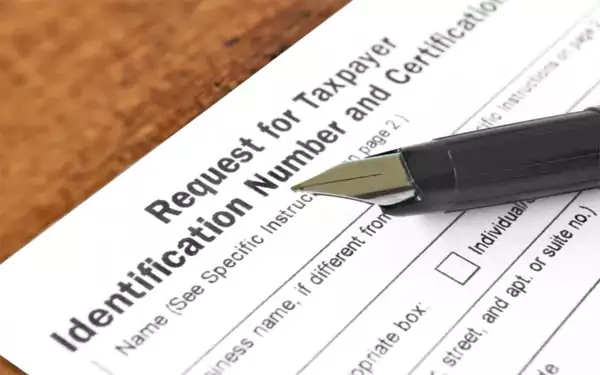
The tax identification number (TIN) is a number that the Internal Revenue Service uses to monitor people and businesses in order to impose taxes. Many new business owners seek out specialized accounting service for startup providers to ensure they are using the correct TIN from day one.
You can say that TIN is a blanket term, and there are several identification numbers that come under that umbrella. Proper bookkeeping services are essential to track which TIN is being used for various financial transactions throughout the year.
The types of TINs include:
- Social Security Number (SSN): An SSN is used by individuals to file personal taxes.
- Employer Identification Number (EIN): This one’s used by businesses for the identification of tax administration, reporting, and legal compliance.
- Individual Taxpayer Identification Number (ITIN): This is used in cases where a person cannot receive an SSN.
- Preparer Tax Identification Number (PTIN): For the pro tax preparers.
- Adoption Taxpayer Identification Number (ATIN): A temporary number is used in filing that is related to adoption.
So, whenever someone asks, “Is TIN the same as EIN?” The answer is: TIN is the broader category, and a particular form of EIN exists in that category.
What is EIN?
An Employer Identification Number (EIN) is a 9-digit number that is allocated by the IRS to identify a business entity.
It also goes by other names, namely:
Federal Employer Identification Number (FEIN), Federal Tax ID, Business Tax ID Number.
So, you can say that the employer identification number and the federal tax id are the same 9-digit numbers issued by the IRS.
Format example: 12-3456789
Also Read: Purchase Price Variance: Importance, Formula, Examples, Affecting Factors, and Much More
TIN vs EIN: What is the Difference Between TIN and EIN?
Let’s understand the key differences between TIN vs EIN:
| Aspect | TIN | EIN |
| Definition | Broad tax identification category | Specific business tax ID |
| Who Uses It | Individuals & businesses | Businesses only |
| Issued By | IRS (SSN by SSA) | IRS |
| Number Format | Varies by type | 9 digits |
| Main Purpose | Tax tracking & compliance | Business tax filing, payroll, and banking |
The simplest things to keep in mind are that all EINs are TINs, but not all TINs are EINs.
When Do You Need an EIN?
The knowledge of the TIN vs EIN is more pragmatic when you understand why EIN is compulsory.
Businesses should definitely have an EIN when it:
- Hires one or more employees: This triggers the need for robust payroll accounting services to manage tax withholdings.
- Form of operation: partnerships or corporations
- Employment, excise, or alcohol/tobacco/firearms tax returns
- Imposes tax on income received by non-residents
When Can You Use Your SSN Instead of an EIN?
In some situations, an owner of a business may use a Social Security Number (SSN) or a sort of TIN in place of requesting an EIN.
That typically applies to:
- Sole proprietors
- Sole proprietorships (single-member LLC) have no employees
- Companies that do not pay tax on employment or excise
But, to conduct business with your SSN can reveal your personal identity to the clients, vendors, and contractors. This makes identity theft more likely and lessens the distinction between business and personal money. Most financial experts recommend a dedicated cash flow management service to keep business and personal assets strictly separated.
Most accountants suggest that people should get an EIN even where it’s not mandatory to ensure long-term credibility and security.
How to Apply for an EIN (Step-by-Step)?
The procedure of applying for an EIN is an easy process that is managed by the Internal Revenue Service.
The steps include:
- Determine the business structure.
- Prepare the necessary data, such as legal name, business address, and details of the responsible party.
- File the entire Form SS-4 using the IRS site.
- File an application and get your EIN instantly if you file online.
This is also applicable to businesses outside of the US, but a phone or fax may be necessary.
One should also make sure that all the information is in line with the formal business registration records to prevent delays during year-end accounts services which require verified identification numbers.
When Are TIN and EIN Necessary?
TIN is required in the case of any person or business undertaking activities in relation to tax. It is mandatory in filing returns, tax exemptions, payment of taxes, and communication with tax authorities. The government will be unable to effectively monitor tax requirements or compliance without a TIN.
In the case of businesses, a TIN is required during the registration of a company, the employment of employees, the opening of a business bank account, the issuing of an invoice, or the carrying out of any transaction that can attract taxation.
Federal taxation requires some form of identification of a business; therefore, an EIN is required. EIN is directly issued by the Internal Revenue Service when you have employees, are a partnership or corporation, have employment or excise tax returns, or withhold federal income taxes.
A business bank account is also often required to open and have an EIN, any licenses, to establish business credit, or to deal with vendors who demand a tax ID.
Even sole owners who have no employees usually receive an EIN to separate personal and business funds and to prevent the use of a social security number to conduct business.
Final Words
The confusion of TIN vs EIN is usually caused by the fact that these terms are used interchangeably. They are, however, not the same.
A TIN is an oversimplified term that denotes tax identification numbers of both individuals and businesses. EIN is a certain rank of TIN that is used solely to identify the business.
One rule to remember is: All EINs are TINs, but not all TINs are EINs.
Knowing the difference will help you select the right identification number when you are filing taxes, registering a business, or dealing with compliance issues. The right choice will guarantee easier tax reporting, financial credibility, and improved business management in the long run.
Also Read: UK Tax Year: A Branded Guide to Stay Compliant with Tax Regulations
FAQs
Ans: EIN is a type of tax ID, but not every tax ID is an EIN. “Tax ID” or “TIN” is an overall term, whereas “EIN” is a business identification number.
Ans: FEIN is an abbreviation of Federal Employer Identification Number. It is merely a different name for an EIN that is issued by the IRS.
Ans: Yes, the SSN of sole proprietors who do not have employees may be used. However, it is advised to use an EIN to safeguard personal identity and separate business finances.
Sources: